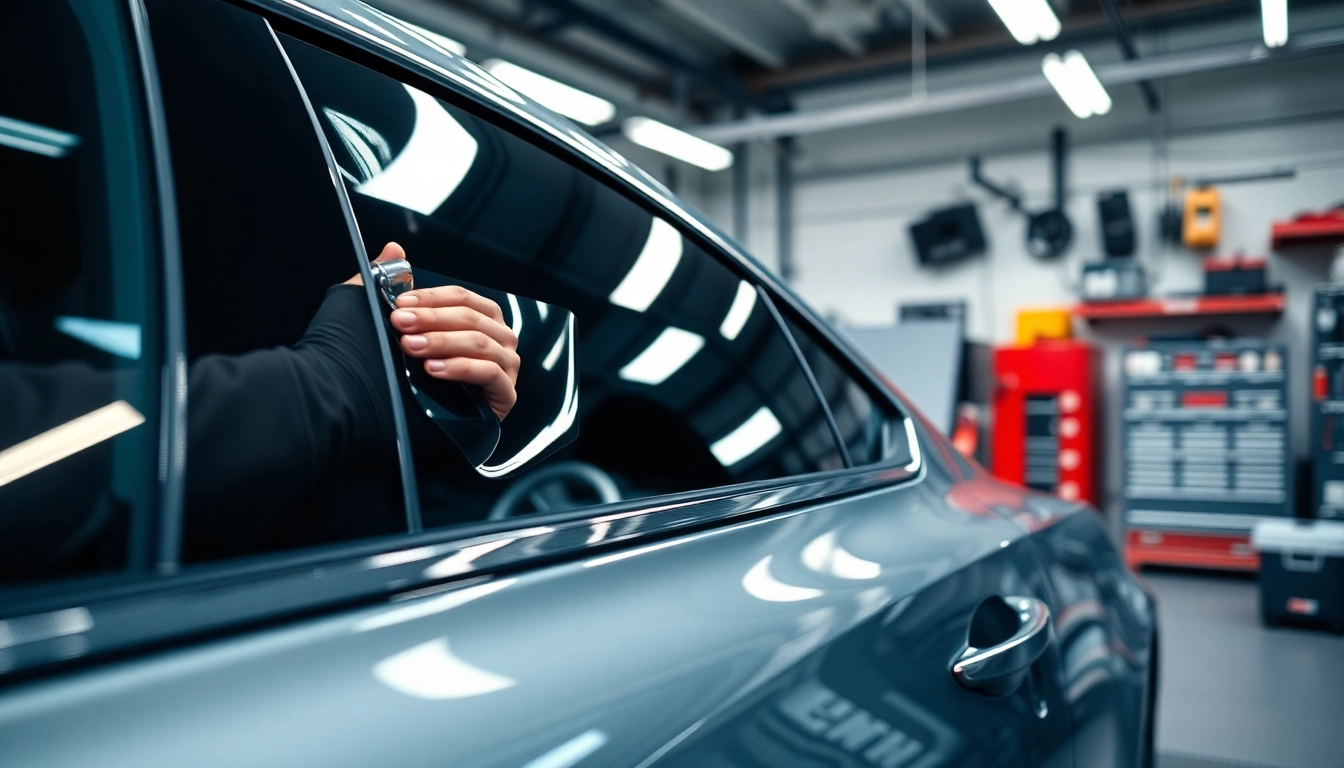
Understanding the Benefits of Window Tint Near Me
When it comes to enhancing the aesthetics and functionality of your vehicle or home, exploring options for window tint near me can make a significant difference. Window tinting has garnered attention for its numerous benefits that extend beyond just visual appeal. As we delve deeper, you'll discover how window tinting can transform your space while also providing practical enhancements.
Improved Comfort and Temperature Control
One of the most compelling benefits of window tinting is its ability to regulate temperature. During hot summer months, unfiltered sunlight can significantly increase the inside temperature of your car or home, making it uncomfortable and using additional energy to cool down. Window tints are designed to reflect heat away from your interiors, thereby maintaining a cooler environment. For instance, studies indicate that window films can block up to 99% of UV rays and a substantial amount of solar heat, leading to an average reduction of 30% in energy costs associated with cooling. This is particularly advantageous for households that rely on air conditioning, as tinted windows lessen the reliance on cooling systems, resulting in lower energy bills and increased comfort for occupants.
Protection from UV Rays and Fading
Another paramount benefit of window tinting is protection against harmful ultraviolet (UV) rays. Prolonged exposure to UV rays can lead to skin damage and increase the risk of skin cancer. In vehicles and homes alike, UV rays can cause upholstery, flooring, and artwork to fade prematurely. High-quality window tints can block up to 99% of UV rays, significantly minimizing the risks associated with sun exposure. This not only protects occupants but also preserves the integrity and appearance of the materials inside your space. By investing in window tinting, you're essentially safeguarding your health and your property from the damaging effects of the sun.
Increased Privacy and Security
Window tinting provides an additional layer of privacy that is hard to overlook. For vehicle owners, having tinted windows allows for greater confidentiality while parked or driving around town. Passersby are less likely to see inside, providing a sense of security for belongings within the vehicle. In residential applications, window films can offer similar benefits. Tinted windows help deter potential intruders by limiting visibility into your home, making it a less appealing target. Moreover, certain window films offer shatter-resistance properties, providing additional security in the event of an accident or breakage, as they help hold glass fragments together and reduce the risk of injury.
Choosing the Right Window Tint Near Me
When searching for the ideal solution among the various options of window tint near me, it's crucial to educate yourself about the different types of window tinting films available, the legal considerations regarding tint darkness, and expectations regarding costs.
Types of Window Tinting Films
Deciding to tint your windows comes with a plethora of options regarding the type of film you wish to apply. The main categories include: 1. Dyed Window Films: These films depend on dye to absorb solar energy and are often the most economical choice. While they provide improved aesthetics and some heat rejection, they do not offer as much UV protection compared to other options. 2. Metalized Films: Metalized films contain tiny metal particles that reflect solar energy. They effectively block heat and UV rays while providing increased strength to the glass. However, they can interfere with radio and mobile signals. 3. Ceramic Films: These are among the most advanced options available, offering superior heat rejection without compromising visibility. Ceramic films contain no metals and are known for their durability and UV protection. 4. Hybrid Films: As the name suggests, hybrid films combine the benefits of dyed and metalized films, providing a compromise between aesthetics and functionality. They can offer better UV rejection with a less reflective appearance. Understanding the differences between these films can help you make an informed decision based on your specific needs and budget.
Legal Considerations for Tint Darkness
Before proceeding with window tinting, it's essential to check your local laws regarding tint darkness. Each state has specific regulations regarding how dark window tints can be, particularly for front and rear windows. Violating these laws can lead to fines or even required removal of the tint. Most regulations specify a maximum allowable Visible Light Transmission (VLT), the amount of light that passes through the window. Familiarizing yourself with these limits will ensure your new tint not only meets your personal preferences but remains compliant with the law.
Estimating Costs for Window Tinting Services
The cost of window tinting services can vary dramatically based on a few factors: the type of film chosen, the number of windows being tinted, and the labor costs in your area. On average, you can expect to pay between $200 and $400 for a basic tinting job on a standard vehicle. However, the cost can increase substantially based on the features and options selected. When budgeting for window tinting, consider getting quotes from several local professionals to compare prices and services offered. Before committing, inquire about warranties, which can be a testament to the quality of the film and installation.
Finding Reputable Services for Window Tint Near Me
In a quest for the best window tint near me, finding reliable installers is key. Following these steps can help ensure satisfaction with your tinting project.
Researching Local Installers
Utilizing online directories and local business listings can introduce you to service providers specializing in window tinting. Check their websites for details about services offered, examples of previous work, and company credentials. Additionally, asking friends or family for recommendations can lead you to skilled professionals who have provided satisfactory service in the past.
Reading Customer Reviews and Testimonials
Customer reviews provide valuable insights into a business's reliability and service quality. Look for testimonials on the installer's website and external platforms like Google Reviews or Yelp. Pay attention to feedback about the installation process, customer service, and long-term results. A high volume of positive reviews can indicate a trustworthy service provider.
Questions to Ask Before Committing
Prior to finalizing any agreements, it’s crucial to ask several key questions to ensure you receive the best service possible. Consider the following: - What type of window film do you recommend, and why? - How long is the installation process expected to take? - Are any warranties or aftercare services included? - What steps do you take to ensure a professional installation? These questions will help you gauge expertise and customer service, making it easier to choose a reputable installer.
DIY Window Tinting: Is It Worth It?
While many opt for professional installation, DIY window tinting is a viable alternative for those looking to save money. However, it requires careful planning and execution to ensure satisfactory results.
Tools and Materials Needed for DIY
Before beginning the DIY process, make sure you have the following tools and materials at hand: - Window tint film (appropriate for your vehicle/home) - Utility knife or razor blade - Squeegee or plastic application tool - Spray bottle with soapy water - Heat gun or hairdryer (optional for adjustment) - Cleaning supplies (for preparing the glass) It's essential to follow your chosen film's manufacturer instructions for optimal results.
Step-by-Step Guide to Tint Application
1. Preparation: Start by cleaning your windows thoroughly. Any dirt or residue can compromise adhesion. 2. Measure and Cut: Measure the windows to ensure you have enough film. Cut slightly larger than the window size to allow for adjustments. 3. Apply Solution: Spray soapy water generously on both the window and the adhesive side of the film. 4. Positioning: Place the film against the window with the adhesive side facing the glass. Use a squeegee to smooth out bubbles and position it correctly. 5. Trimming: Once correctly aligned, trim the excess film with a utility knife for a clean fit. 6. Final Adjustments: Use a heat gun or hairdryer to gently warm the film. This helps it conform to curves and edges. 7. Curing: Allow the film to cure for a few days without rolling down the windows to ensure proper adhesion. While DIY might seem enticing, remember that untrained applications can lead to bubbles, wrinkles, and peeling. Thus, weighing the pros and cons is essential.
Comparing DIY vs. Professional Installation
When deciding between DIY and professional installation, consider several factors: - Skill Level: Assess your confidence and experience level. Mistakes in application can lead to costly repairs. - Time: Think about how much time you’ll invest in the project. DIY can be labor-intensive. - Quality: Professionals have the expertise to ensure a flawless application that can often exceed the quality of DIY. In many cases, professional installation guarantees better results, especially in complex installations.
Maintaining Your Window Tint for Longevity
Once you've invested in window tinting, proper maintenance is crucial for ensuring its longevity and aesthetic appeal.
Cleaning and Care Tips
After installation, it's vital to follow these cleaning and care tips: - Wait Before Cleaning: Allow at least 3-7 days for the film to settle before cleaning. - Use Gentle Cleaners: Opt for non-ammonia-based cleaners and soft cloths to avoid damaging the film. - Avoid Abrasive Tools: Steer clear of scrubbers or harsh materials that may scratch the tint. Implementing these practices will keep your tint looking new for years.
Common Mistakes to Avoid
To maintain the integrity of your tint, avoid these frequent pitfalls: - Neglecting Maintenance: Regular cleaning can prevent buildup that affects visibility and aesthetics. - Using Harsh Chemicals: Ammonia and strong solvents can break down the adhesive and film materials. - Ignoring Signs of Damage: Addressing peeling or bubbling promptly can avoid larger issues in the future. Being vigilant about maintenance practices will enhance the durability of your window tint.
Signs You May Need a Tint Replacement
Periodically assess the condition of your window tint; watch for these signs indicating it may be time for a replacement: - Bubbling: Visible bubbles under the film can indicate poor adhesion. - Fading: A noticeable change in color or darkening indicates the film may be losing its effectiveness. - Peeling: Edges that start to peel away from the glass are a clear signal for replacement. Monitoring these signs will help prolong your investment and ensure you maintain the desired appearance.
Frequently Asked Questions
1. How long does window tint last?
Window tint can last anywhere from 5 to 15 years, depending on the quality of the film and installation.
2. Can window tinting damage my windows?
If improperly installed or applied with too much pressure, window tinting can potentially damage glass.
3. Is window tinting legal everywhere?
No, window tinting laws vary by state and local jurisdiction, so it's essential to check regulations.
4. How do I remove window tint?
Window tint can be removed using a heat gun or steam and a razor blade. Professional help is recommended for optimal results.
5. Can I tint my house windows the same way as my car?
House window tinting requires different materials and methods than car tinting, as residential films may need to meet different regulations.