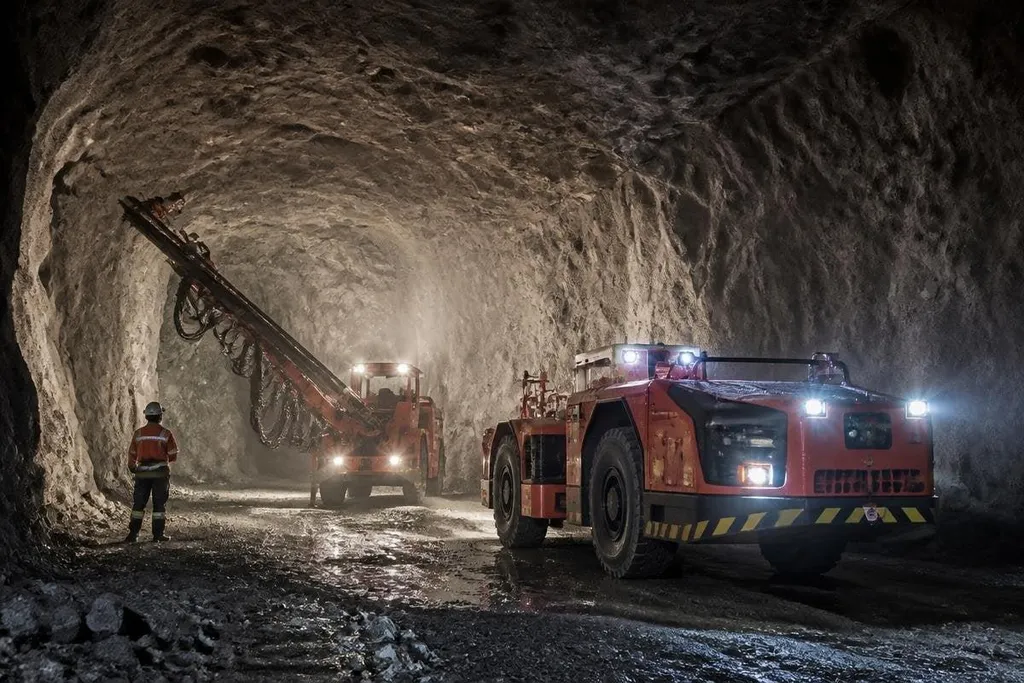
Mining robots are moving toward the places that are hardest, darkest, and most costly for people to enter. The areas worth watching are autonomous haulage, robotic drilling, tunnel inspection, remote operation, and environmental sensing.
A machine earns attention only when it works outside a clean demonstration. For a mine operator, the useful question is simple: can the robot finish a task safely, repeatedly, and with less downtime than the current method?
- Autonomous trucks could move ore with fewer people inside active haul routes.
- Robotic drills may keep operators away from unstable faces and falling rock.
- Inspection robots can check tunnels, equipment, and air conditions before people enter.
Autonomous haulage
Autonomous haul trucks are among the clearest areas to watch because their work follows set routes. A truck can use cameras, LiDAR, radar, and positioning data to keep distance from other vehicles and follow a planned path.
The hard part starts when the route changes. Dust can reduce camera quality, and water can cover road markings.
A blocked haul road can force a new plan. The robot must detect the problem, stop safely, and wait for a remote operator or choose a verified route.
That changes the value of the system. One that drives well on a fixed route is useful for a test. A truck that handles road repairs, parked vehicles, changing weather, and radio loss is closer to mine work.
Robotic drilling and blasting
Drilling puts a machine close to the rock face, where vibration, dust, and loose material can damage sensors and tools. A robotic drill must place holes at the planned depth and angle, then report its position clearly enough for the next step.
The benefit is distance. Operators can work from a protected control room while the drill stays near the face. Remote control already matters here, but more autonomous drilling will need strong checks before the machine starts a new pattern.
The open issue is recovery. A drill bit can meet harder rock than expected, a hole can collapse, or the machine can lose its position. A useful system needs a safe stop and a clear way to resume work without creating bad holes or sending a person into danger.
Inspection in tunnels and shafts
Small ground robots, tracked machines, and aerial systems can inspect areas that are costly or unsafe to reach on foot. They may carry cameras, gas sensors, thermal sensors, or tools that measure cracks and loose rock.
The sensor list matters less than the report that follows. Mine staff need a map, a marked fault, or a reading tied to a specific place. A video feed alone can leave a technician watching hours of footage without knowing what needs attention.
For a mine operator, a dated report from Robot24 can tie a remote-control claim to the named machine, mine, task, and test result. That record leads into remote operation and control, where signal loss and operator handoffs decide whether the robot can keep working.
Remote operation and control
Remote operation links people to machines through cameras, sensor data, and control software. It can keep a person away from a working face while still giving them control when the robot meets a case its software cannot handle.
The control room needs more than a screen full of data. Operators need a clear view, a response that does not lag, and a safe stop that works when the network drops. Training also matters because a remote operator still has to understand the machine, the site, and the limits of each sensor.
I'd wait for public trial results before calling any mining robot ready for wide use. Mine conditions vary too much for a short demonstration to settle the question.
What to check before a purchase
A mine team comparing a robot or remote system can use this list before asking for a quote:
- Name the task: Write down the exact job, route, material, and handoff the robot must complete.
- Check the failure plan: Ask what the system does after sensor loss, radio loss, blocked access, or a stuck tool.
- Request operating records: Look for run time, stopped hours, human interventions, and missed tasks from a real site.
- Inspect the service plan: Confirm who replaces sensors, batteries, tyres, tracks, and damaged tools.
- Set the safety case: Define where people may stand, how the machine stops, and who can take control.
The strongest mining robot projects will publish those details instead of showing only the successful run. Until operators can compare task results, repair time, and safety records from real mines, the biggest breakthrough is still the one that proves it can work underground.